PROCESS SELECTION
How to choose between shell mould, sand and investment casting
Choose a casting route by balancing as-cast surface finish and accuracy, part size, tooling investment and production quantity. Shell moulding is a sand casting route: its resin-coated sand shell differs from the ceramic shell formed around wax patterns in investment casting.
Which process fits the part and production quantity?
The table compares general industry tendencies in as-cast surfaces and dimensions. No-bake resin sand is the self-setting example here; other chemically bonded systems also include heat- and gas-triggered routes.
For recurring medium-size components where better as-cast surfaces and dimensional control can reduce later work, shortlist shell moulding. Compare green sand when its surface and tolerance capabilities meet the drawing and production volume favours the moulding line. Include no-bake for large components or one-off and shorter production series. For smaller intricate parts where fine detail and surface finish can remove machining, compare investment casting. Choose on total delivered cost: tooling spread across expected orders, plus casting, finishing, machining and inspection.
| Selection criterion | Resin-coated sand shell moulding | Green sand moulding | No-bake resin sand | Ceramic-shell investment casting |
|---|---|---|---|---|
| Surface finish and detail | Good as-cast surfaces and fine features; can reduce later finishing. | Usually more surface finishing; compare when a conventional sand-cast surface is acceptable. | Good finishes are possible; binder, sand and mould coating influence the result. | Strong option for fine detail and smooth as-cast surfaces; may reduce machining. |
| As-cast dimensional accuracy | Generally better as-cast accuracy than conventional green sand. | More dimensional variation; precise fits commonly need machining. | Pre-hardened moulds support dimensional control; confirm the selected system and part size. | Accurate complex geometry; achievable tolerance depends on size and process control. |
| Part size | Often selected for medium-size components; larger envelopes need foundry-specific review. | Broad size range; the moulding line, flask and handling equipment determine the envelope. | A useful shortlist for large or heavy parts and large cores. | Often preferred for smaller, intricate parts; review larger envelopes with the foundry. |
| Tooling and cost structure | Relatively high metal-pattern investment; compare savings in finishing and machining. | Low-cost mould materials; pattern investment depends on production tooling and automation. | Flexible pattern options; include binder, mould preparation and curing costs. | Conventional wax-pattern dies add initial cost; pattern-making and ceramic shells add processing work. |
| Production quantity | Repeat production helps spread the metal-tooling investment. | Automated moulding suits high volumes; simple patterns can also serve prototypes and small runs. | Useful for one-offs and short-to-medium series, particularly for larger castings. | Repeat orders spread conventional wax-die cost; wax patterns and ceramic shells are still made for the castings. |
Which route does Wontide describe?
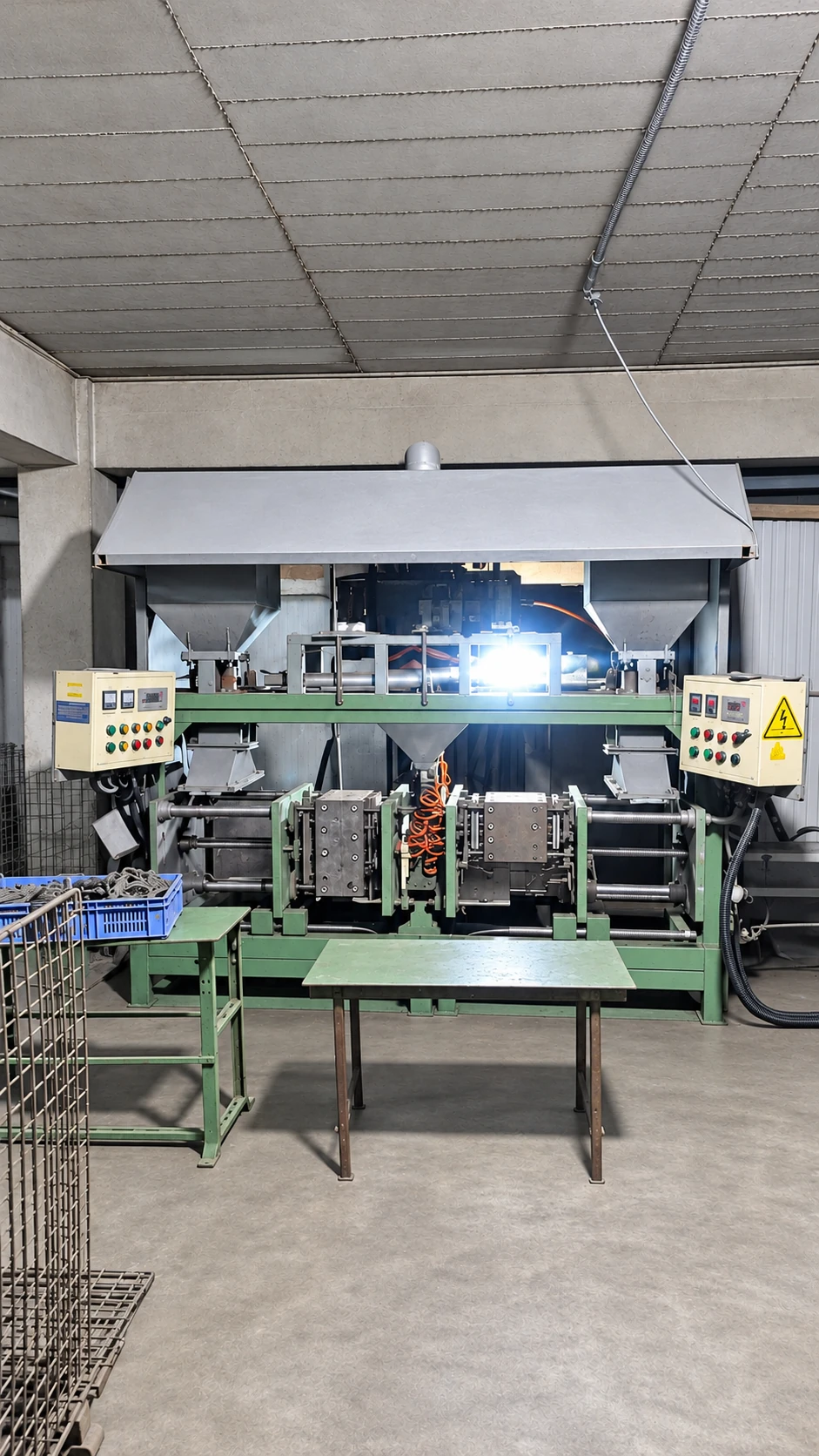
Wontide uses resin-coated sand shaped in heated tooling for shell moulds and cores. Its in-house casting, heat treatment and CNC machining are reviewed as a connected manufacturing route. An enquiry can cover a cast blank, a heat-treated blank or a machined component. Identify the operations included in the requested delivery.
How can two quotations use the same technical basis?
Start with the same drawing revision, material specification and delivery condition. A process name alone does not establish the finished dimensions, inspection scope or work remaining after delivery.
- State any required casting process and identify conditions that need review.
- Mark cast surfaces, machined features, datums and machining allowances.
- List heat treatment, surface protection and operations left to another supplier.
- Agree inspection methods, acceptance criteria and required records alongside the manufacturing scope.
Before you send your drawing
Does shell casting always mean investment casting?
Identify the mould material. A resin-bonded sand shell and a ceramic shell made around wax patterns belong to different routes. State the required route in the enquiry.
How should tooling cost and production quantity be compared?
Compare the up-front tooling cost separately, then spread it over the expected repeat quantity. Add the casting, heat treatment, finishing, machining and inspection costs for an accepted finished component. Repeat orders can support metal-pattern or wax-die investment; short runs call for comparing the tooling route as well as the price of each casting.
Reference sources
External references explain standards or general casting processes. Wontide’s own manufacturing examples are identified separately in the text.
- The Open University: resin shell casting
- Foseco: green sand casting
- Foseco: chemically bonded sand casting
- Investment Casting Institute: the investment casting process
- NPTEL: shell moulding detail and component size
- HA International: no-bake moulding systems
- Foseco: investment casting
- American Foundry Society: pattern tooling and production volume
Related information
START WITH YOUR DRAWING
Let’s review your part.
Send the current drawing revision, material specification, quantities and inspection requirements. We will review the manufacturing scope before confirming price, tooling and production timing.
Leo Wu · General Manager
leo.wu@wontide.com.cn
WhatsApp: +86 153 0535 4023
Your email app will open. Attach your drawing and send the email yourself. You can also copy our email address or use WhatsApp.