What distinguishes the materials?
In ductile iron, also called spheroidal graphite or nodular iron, treatment of the melt results in graphite that is predominantly nodular. QT450-10 and QT500-7 are examples of Chinese grades. EN-GJS-450-10 and EN-GJS-500-7 are examples of European designations. Before using one in place of another, check the requirements for sampling, section thickness and acceptance under the specified standard.
Common carbon and low-alloy cast steels typically contain no free graphite. ZG230-450 and ZG270-500 are examples of carbon cast steel grades. Specify the applicable casting grade and standard for alloy steel castings.
Compare the materials for the application
For brackets and supports, compare what each material offers and then shortlist grades against the loads, welding and acceptance requirements.
Characteristics of ductile iron
- Good castability · Ductile iron generally flows well during casting, which makes it worth considering for complex shapes or castings with varying wall thickness.
- Machinability and vibration damping · Graphite helps damp vibration, and many ductile iron grades machine well. Machining costs also depend on the matrix and hardness.
- Often lower cost · When both materials meet the same design requirements, ductile iron often has a cost advantage. Compare the combined cost of casting, machining and inspection.
Characteristics of cast steel
- Toughness · Consider a suitable grade for parts subject to impact or cyclic loads, such as load-bearing axle or suspension parts.
- Weldability · Suitable weldable cast steel grades are generally easier to weld to a steel axle housing or frame. Check composition, heat-treatment condition and the qualified welding procedure.
- Options for low-temperature duty · Several cast steel grades are available for low-temperature impact requirements. Select one against the specified service temperature and impact energy.
- Strength and toughness through heat treatment · Suitable alloy cast steels can be quenched and tempered to meet a specified combination of strength and toughness.
SFSA · Ductile Iron Design Case · SFSA · Steel Casting Mechanical Properties
What to put in the material specification
Agree on the loading, service temperature, machining and connections first. State the following four items in the drawing, RFQ or technical agreement.
- Standard and grade · Specify, for example, QT500-7 under GB/T 1348 or ZG270-500 under GB/T 11352. When ordering to EN or ASTM, identify the contractual standard, grade and any agreed cross-grade conditions.
- Mechanical properties and samples · Specify the coupon or casting sample, its location, and the acceptance criteria. For low-temperature requirements, state the impact test temperature and required impact energy.
- Metallography for ductile iron · Alongside mechanical testing, agree on graphite morphology, nodularity, the sampling location, the assessment method and acceptance criteria.
- Delivery condition for steel castings · State the heat treatment required by the grade and drawing, such as normalized, normalized and tempered, or quenched and tempered.
GB/T 1348 · GB/T 11352 · DIN EN 1563 · ASTM A536
What Wontide can supply
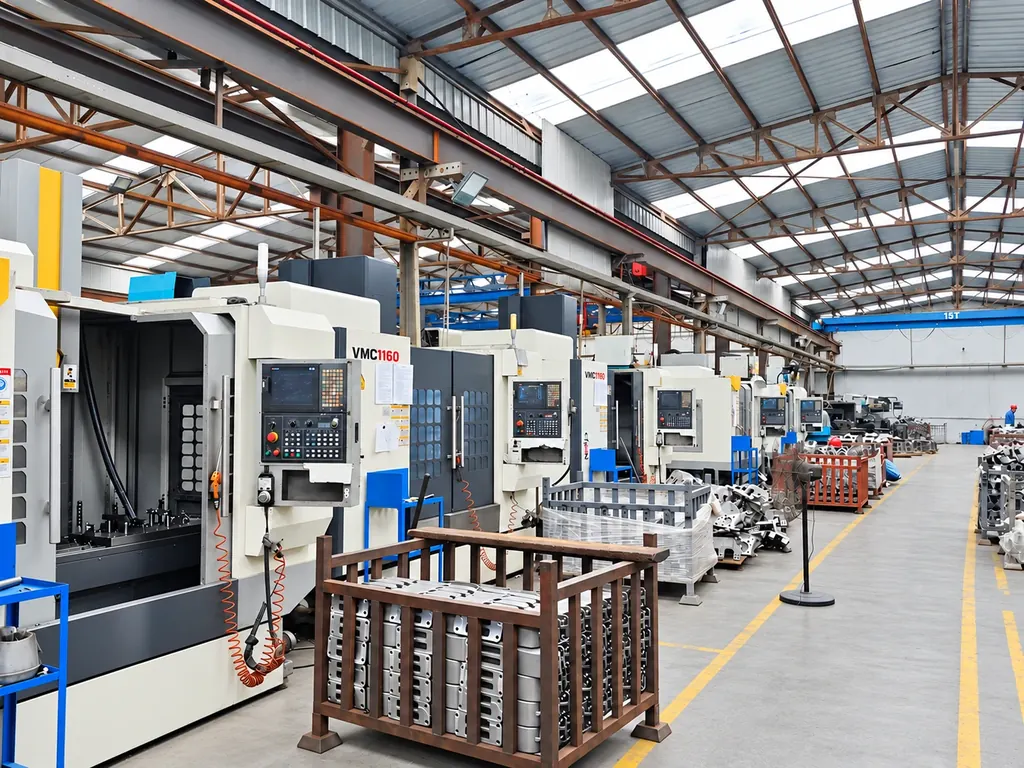
Wontide uses medium-frequency induction melting in Laizhou. Its main business is steel castings, and it reviews alloy cast steel and ductile iron parts against customer drawings. Its IATF 16949:2016 quality management system certificate covers manufacture of iron and steel castings. In-house capabilities include tensile, impact, hardness and metallographic testing, including graphite morphology and nodularity checks for ductile iron. Material and test reports are supplied as agreed.
Send the drawing and operating conditions if you are considering both materials. Wontide can review which routes meet the agreed requirements and quote them separately so you can decide which to specify.
See the ZG270-500 and ZG230-450 material grade reference · RFQ checklist · Why normalize steel castings? · Choosing a ductile iron grade: QT450-10, QT500-7 or QT600-3?